10
Min reading
18/6/2026
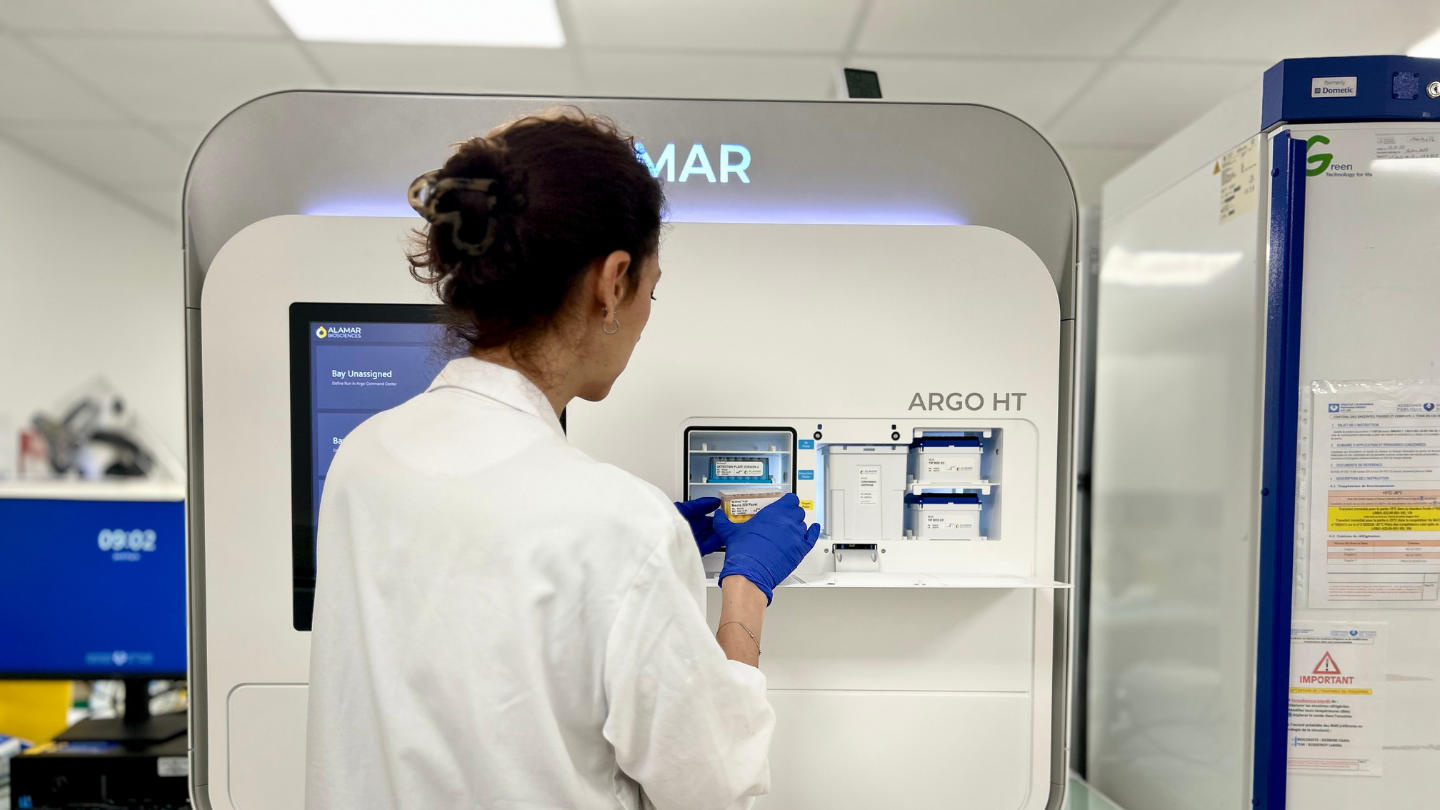
Plateforme clinique de protéomique ultra-sensible NULISA™
L’Institut reConnect, l’AP-HP et le biocluster Brain&Mind inaugurent une plateforme clinique de protéomique ultra-sensible à l'hôpital Lariboisière AP-HP
Meet Coralie Dorard, XXXX at Apertum Neuroscience®, a startup that is developing a very high frequency magnetic neuromodulation technology.
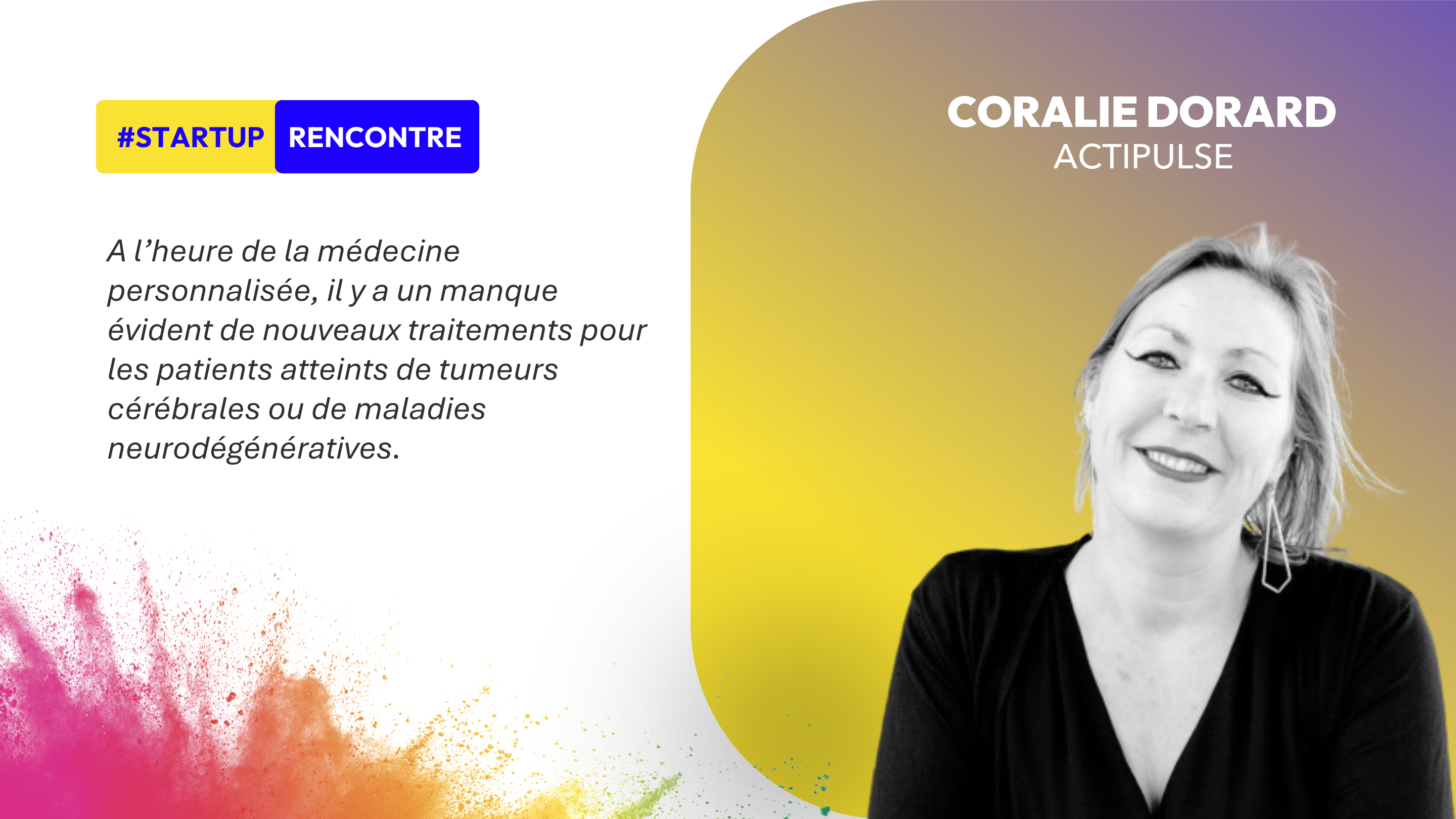
Meet Coralie Dorard, XXXX at Apertum Neuroscience®, a startup that is developing a very high frequency magnetic neuromodulation technology capable of temporarily making the blood-brain barrier permeable, one of the biggest obstacles to the effectiveness of brain treatments.
An advance that could transform the management of brain cancers and neurodegenerative diseases and accelerate the development of new therapies.
Coralie Dorard:
“The major challenge today in the development of new therapies for pathologies of the central nervous system is the blood-brain barrier. This barrier protects the brain, but it also prevents the entry of many medications.”
Coralie Dorard:
“With our Apertum solution, we use very high frequency magnetic neuromodulation to induce transient permeability of the blood-brain barrier. This allows many more therapeutic molecules, small molecules such as chemotherapy, or large molecules such as antibodies, to reach their target in the brain.
The aim is to improve patients' response to treatments.”
Coralie Dorard:
“The idea is to accelerate the development of new therapies, whether by pharmaceuticals or small biotechs, to offer more treatments to patients with brain cancer or neurodegenerative diseases.
In the age of personalized medicine, there is a critical lack of new treatments for these patients.”
Coralie Dorard:
“Yes, we have very encouraging preliminary results. They open a long path of development: preclinical validation in relevant models, then preparation of the first clinical trials in humans.
Thanks to the support of Brain & Mind, we plan to start our first human clinical studies in 2028.”
Coralie Dorard:
“We differentiate ourselves by the total absence of invasiveness. There is no need for MRIs, implants, or microbubble injections. Our technology makes it possible to open the barrier in a natural and transitory way.”
Coralie Dorard:
“Success can be very small. A small success can be a big step towards big successes. That's what motivates me.”